
In the modern era of consumerism and convenience, the humble cloth bag — or jhola — has emerged as a quiet symbol of resistance. It represents simplicity, sustainability, and responsibility in a world drowning in plastic. And at the heart of this symbolic revolution stands one woman: Dr. Anubha Pundir, affectionately and widely known as India’s Jhola Woman.
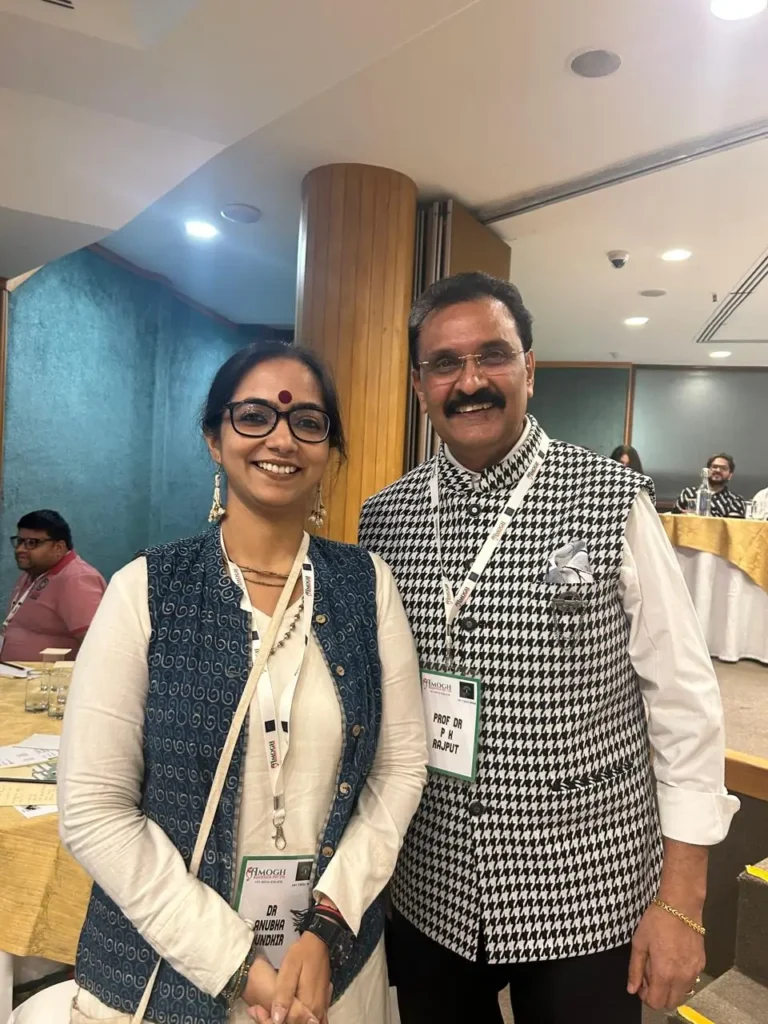
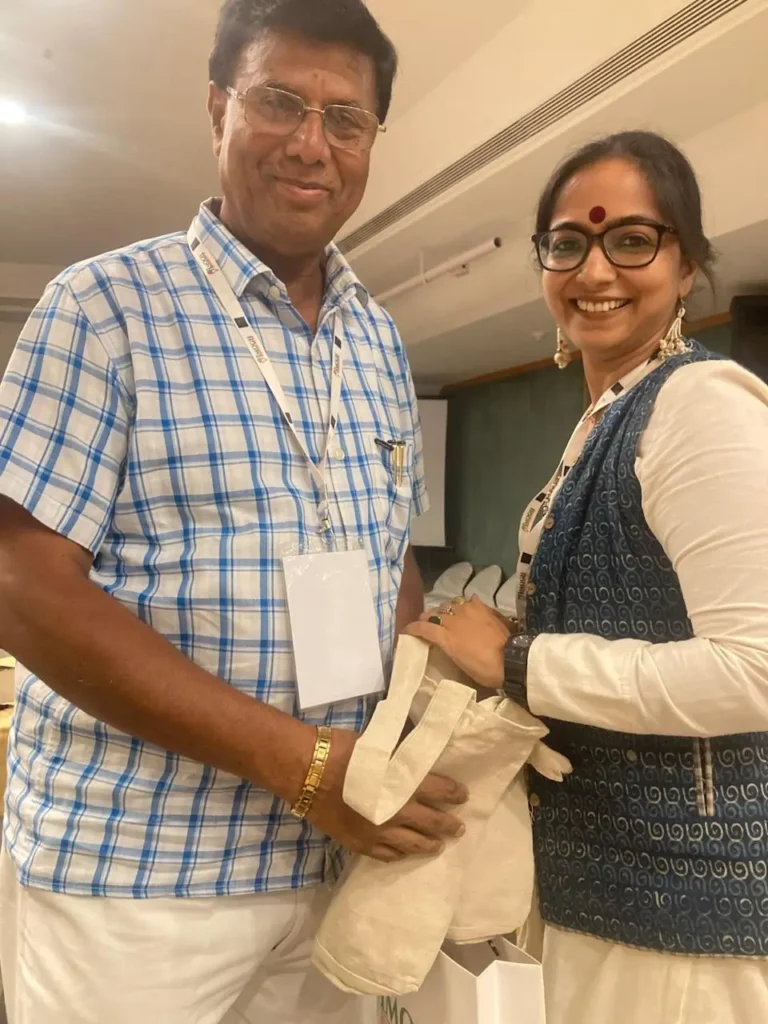
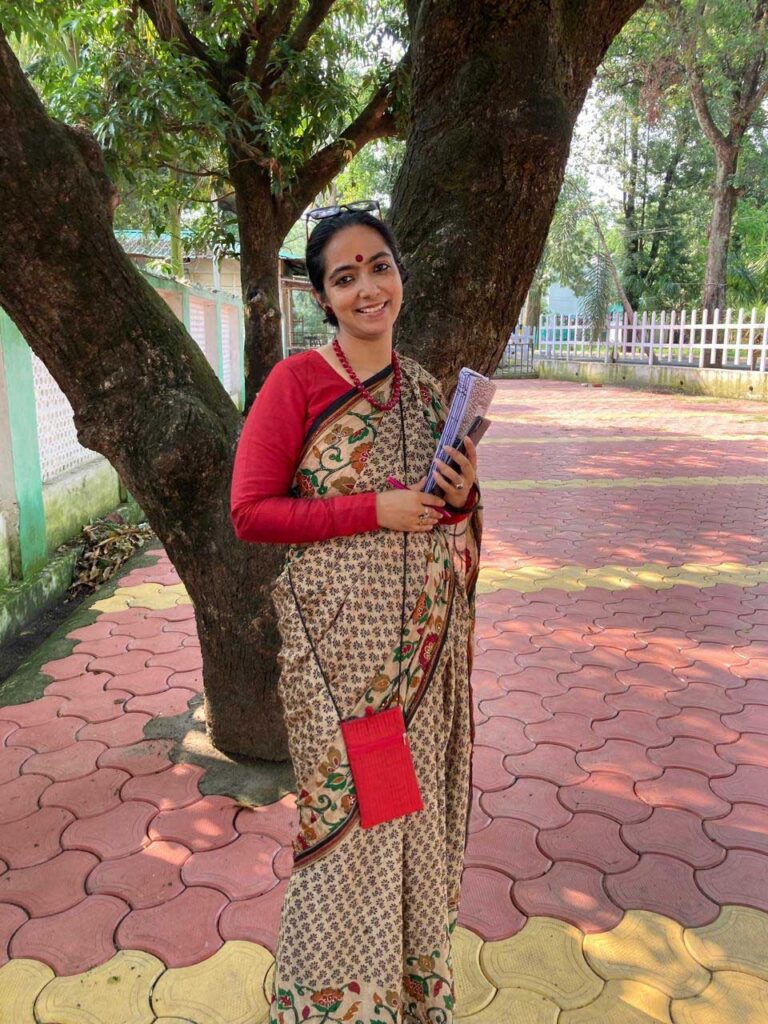
For over a decade, Dr. Pundir has fought a tireless battle against single-use plastics, not just as an environmentalist but as a social reformer, educator, motivator, and changemaker. Her Jhōlā Abhiyaan, a grassroots campaign to replace polybags with eco-friendly cloth bags, has touched more than 50,000 people directly and influenced lakhs of families across India. Today, she is not just a name but a movement, inspiring individuals to choose cloth over plastic and sustainability over wastefulness.
Her many titles — Jhola Woman, Jhola Queen, Jhola Champion, Jhola Preneur — are not just nicknames but acknowledgments of her growing impact. With every award she has won, every family she has influenced, and every student she has taught, Dr. Anubha Pundir continues to rise as one of India’s most powerful voices for the environment.
The Making of the Jhola Woman
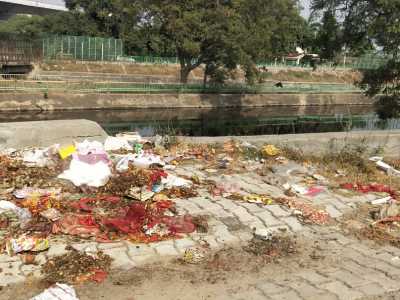
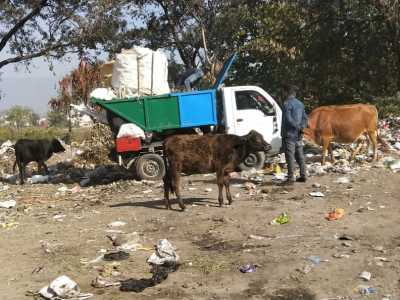
Dr. Anubha’s story begins in Uttarakhand, where she first witnessed the devastating impact of plastic waste on rural communities and the fragile Himalayan ecosystem. Mountains of plastic clogged rivers, choked grazing lands, and contaminated soil. The sight left a deep mark on her mind, awakening a mission that would soon become her life’s purpose.
Armed with her academic background — including a doctorate in Disaster Management and a second doctorate connecting spirituality with environmental energies — she began to see the issue of plastic not merely as waste management but as a spiritual and cultural crisis. “Plastic weakens our bond with nature,” she often explains. “The jhola restores that lost connection.”
Thus was born the Jhōlā Abhiyaan, a campaign rooted in both science and spirit. Her idea was simple but revolutionary: encourage people to carry a cloth bag instead of depending on polybags. What started with small workshops and awareness drives in Uttarakhand grew into a nationwide movement.
The Jhōlā Abhiyaan: 50,000 Voices Against Plastic
The Jhōlā Abhiyaan is not just a campaign but a people’s movement. Over the years, Dr. Anubha has distributed and promoted lakhs of cloth bags, urging people to abandon plastic in their daily lives. She personally engaged with more than 50,000 individuals, convincing them to not only buy jholas but also to take an oath: “I will never use polybags again.”

This oath has become the heartbeat of the movement. Schools, colleges, markets, and villages now echo with the pledge. Families proudly hold up their cloth bags, symbolizing their commitment to change. The campaign has had a ripple effect — inspiring shopkeepers to reject plastic bags, women’s self-help groups to produce jholas as a source of income, and young people to take pride in being part of a sustainable future.
It is no wonder she is called the Jhola Queen and Jhola Champion. With every bag, she is not just replacing plastic — she is weaving together a community of environmentally conscious citizens.
The Psychological Connection of the Jhola
What makes Dr. Anubha’s campaign stand apart is her ability to connect psychology with sustainability. She often says that the jhola is not just a bag but a symbol. In Indian culture, a cloth bag has always been associated with trust, tradition, and utility. Grandparents carried jholas to markets, teachers carried them to schools, and travelers relied on them for long journeys.
By reviving this cultural memory, Dr. Anubha taps into a sense of nostalgia and pride. Carrying a jhola is no longer a boring necessity — it is a badge of honor, a mark of being an environmental friend. Her approach proves that real change comes not from rules alone but from emotional and cultural transformation.
Her Jhōlā Abhiyaan demonstrates that when people feel psychologically invested in a cause, they sustain it. The jhola becomes part of their identity, a daily reminder of their commitment to the Earth.
From Jhola Preneur to Jhola Champion
The titles that people give her reflect the multifaceted nature of her work.
- Jhola Preneur: because she has created an entrepreneurial model where self-help groups and women earn livelihoods by stitching eco-friendly cloth bags.
- Jhola Queen: because her influence reigns over thousands of households, making her the undisputed face of cloth bags in India.
- Jhola Champion: because she fights every day against plastic, with relentless energy and conviction.
- Jhola Woman: because she has embodied the movement so completely that her name itself is synonymous with the campaign.
- These identities merge into one powerful persona: a reformer who blends activism, entrepreneurship, psychology, and culture to create impact.
Academic Contributions: Scholar and Teacher
Beyond her grassroots activism, Dr. Anubha is a respected academician. She serves as Associate Professor at Graphic Era Hill University, Dehradun, in the Department of Personality Development. Here, she shapes young minds, guiding students not only in academics but also in values, confidence, and leadership.
Her academic research is equally profound. Her doctorate in Disaster Management positions her as an expert in resilience planning, while her second doctorate linking spirituality with environmental energies explores the softer, cultural dimensions of conservation. This rare combination of science and spirituality makes her unique — a leader who addresses both the mind and soul of society.
Recognition and Awards: A Trail of Honor
- Dr. Anubha Pundir’s relentless dedication has earned her an impressive array of national and international awards.
- Vishnu Prabhakar Smriti Rashtriya Samman – recognizing her contributions to environmental conservation and social reform.
- Rex Karmaveer Gold Chakra (2022) – presented by iCONGO and the United Nations for her outstanding social impact.
- Rex Karmaveer Platinum Chakra (2024) – again under the banner of iCONGO and the UN, honoring her continued leadership and innovation.
- Platinum Chakra Award (Shriram Millennium School, Noida) – recognizing her initiatives against single-use plastics.
- Dr. Sarojini Naidu International Award for Working Women – celebrating her leadership as a woman changemaker.
- Yoga Excellence Award (2024) – awarded at the International Conference on Careers in Naturopathy & Award Ceremony at Lajpat Bhavan Auditorium, New Delhi, where more than 400 Ayurvedacharyas, naturopaths, and yoga practitioners participated. Her special session on Personality Development & Image Consulting was widely praised.
Each award is not just a medal of honor but a validation of her mission, showing how a grassroots initiative in Uttarakhand has resonated across India and beyond.
Empowering Communities and Youth
A core part of Dr. Anubha’s mission is empowerment through participation. She works with women’s self-help groups, training them to stitch cloth bags and run small-scale businesses. This not only reduces plastic dependency but also creates livelihood opportunities for women in rural areas.
Her workshops in schools and colleges are equally transformative. Students learn to make their own jholas, understand the dangers of microplastics, and become ambassadors of sustainability in their communities. Many of these young people proudly identify themselves as “Jhōlā Warriors”, carrying forward her mission in innovative ways.
Jhola Woman as a Cultural Icon
In India, movements often succeed when they transcend activism and become part of culture. Dr. Anubha has managed to do just that. Today, when people in Uttarakhand and beyond hear the phrase Jhola Woman, they immediately think of eco-friendly living and sustainability.
Her campaign has also been covered by local newspapers, TV channels, and national platforms, giving her the visibility needed to amplify her message. Her presence at conferences and public forums ensures that the Jhōlā Abhiyaan is recognized as one of the most impactful grassroots campaigns in India.
The Softer End: Spirituality and Environment
What makes Dr. Anubha’s journey even more special is her softer approach to environmentalism. She believes that sustainability is not just about policies or bans but about healing our relationship with nature. Her second doctorate work on spirituality and environmental energies is a tribute to this philosophy.
By connecting environmentalism with inner peace, meditation, and cultural pride, she has opened up a new dimension in sustainability. To her, the jhola is not just a cloth bag — it is a spiritual bridge between humans and the environment.
Looking Ahead: The Future of the Jhōlā Abhiyaan
- Dr. Anubha’s vision for the future is ambitious yet practical. She plans to:
- Expand the Jhōlā Abhiyaan to reach more regions of India.
- Collaborate with schools to integrate environmental education into the curriculum.
- Encourage policymakers to enforce stricter regulations on single-use plastics.
- Promote eco-entrepreneurship, making cloth bags not only a sustainable choice but also a source of livelihood.
- Foster an international dialogue where India’s jhola culture can inspire the world.
- Her dream is simple: an India where every citizen proudly carries a jhola, and polybags are relics of the past.
Conclusion: A Legacy Woven in Cloth
Dr. Anubha Pundir’s journey as Jhola Woman is more than just an environmental campaign — it is a story of resilience, vision, and cultural revival. By turning a simple cloth bag into a symbol of resistance and responsibility, she has mobilized communities, inspired youth, and influenced policy.
Her titles — Jhola Woman, Jhola Preneur, Jhola Queen, Jhola Champion — reflect her multifaceted leadership. Her awards celebrate her achievements, but the true measure of her success lies in the millions of plastic bags replaced, the families transformed, and the youth inspired.
As India continues its battle against environmental degradation, Dr. Anubha stands as a beacon of hope, proving that one woman with a vision — and a jhola — can indeed change the world.
In the rise of India’s Jhola Woman, we find not just a story of one individual but the blueprint of a sustainable future.